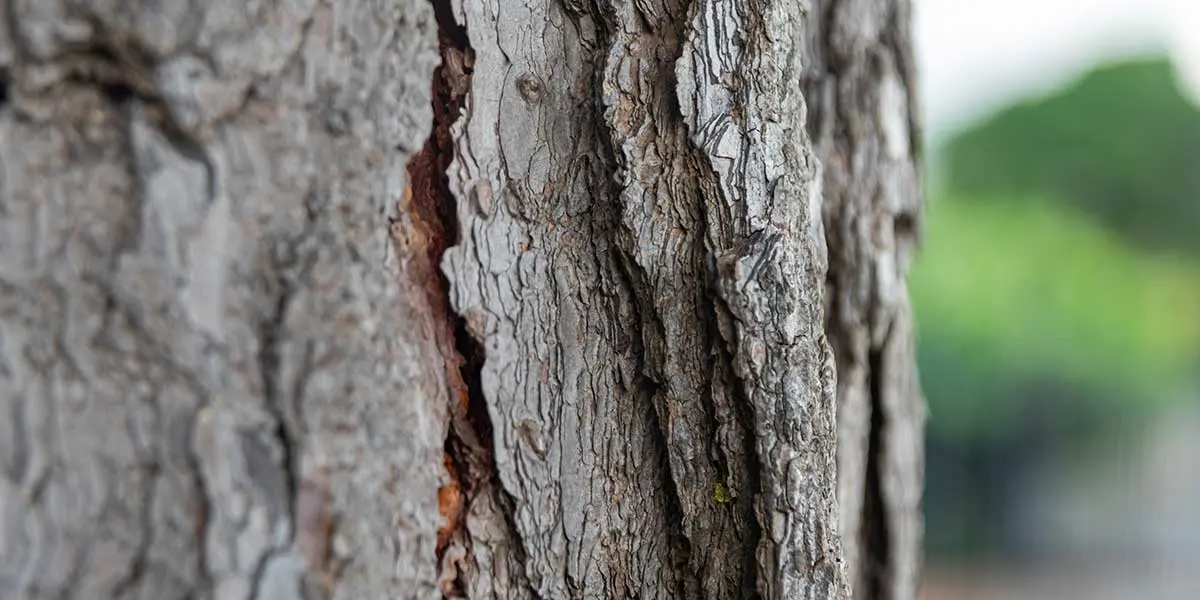
You look out your window at the same tree every morning, and one day you notice a split running down the trunk that wasn’t there before. It’s an unsettling sight, leaving most homeowners wondering whether the tree is in trouble or simply going through a natural process.
So, what causes the bark to crack on a tree? There are several answers, and not all of them are bad news. As a trusted tree service in San Jose, CA, Zazueta Tree Specialists breaks down the common culprits below so you can tell a harmless split from a warning sign.
What Is Tree Bark?
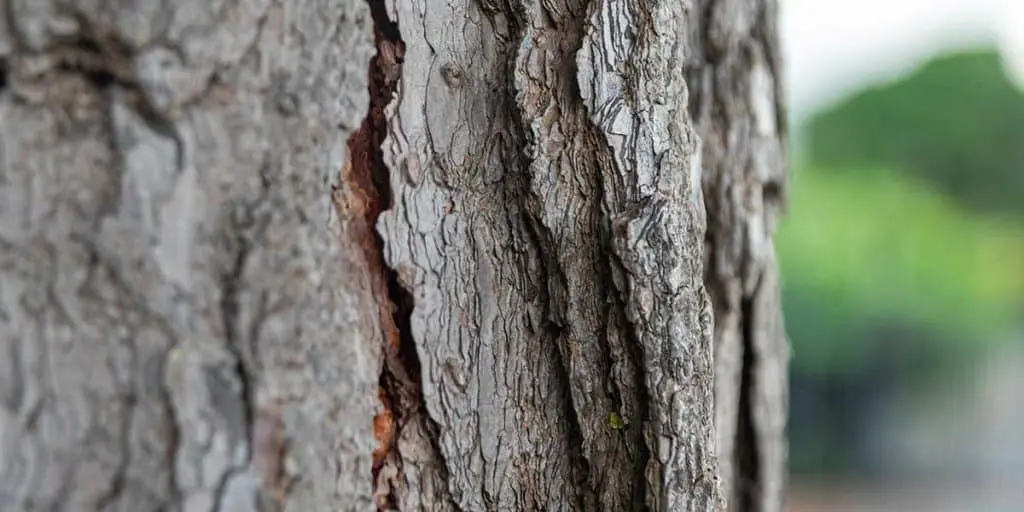
Tree bark is the protective outer layer that shields the living tissue beneath it from weather, insects, and physical damage. Just below the surface, specialized tissues move water and nutrients throughout the tree, making healthy bark an important part of its overall structure.
Not every crack is cause for concern, but deep splits or other visible damage may be one of the signs you need to call a tree service for a closer inspection. Understanding what caused the bark to crack is the first step in deciding whether the tree needs professional care.
When Splitting Is Normal
Some trees shed and split as a matter of routine. Sycamores and certain maples drop bark in patches as part of how they grow.
Young trees also do this. A trunk expanding faster than its outer layer can stretch will produce shallow vertical splits, spaced fairly evenly, that pose no threat in and of themselves.
Weather Is Usually the Answer
In many cases, temperature swings are what cause the bark to crack on a tree. As the trunk warms during the day and cools quickly at night, the outer bark can split under the stress.
These temperature changes often lead to frost cracks, especially on the south or southwest side of the trunk. Thin-barked species, including ash and many fruit trees, are particularly susceptible.
Sunscald damage develops in much the same way. Intense afternoon sun can injure exposed bark, particularly after heavy pruning, causing sections to die and eventually peel away.
Other Common Triggers
Weather isn’t the only pressure a trunk faces. A few other factors show up regularly:
- Drought followed by heavy watering: Brittle bark can’t stretch when the tree suddenly takes up water and pushes outward.
- Late-season fertilizing: Feeding in summer or early fall pushes growth that won’t harden before cold weather.
- Mower and equipment strikes: A single bump can open a wound that widens over time.
- Boring insects: Beetles tunneling beneath weaken the layer above, making it prone to splitting.
Signs the Crack Is Worth a Closer Look
A single shallow line on a thriving tree may resolve itself. Several warning signs together suggest something deeper is going on:
- Cracks wrapping the trunk: A split circling most of the way around cuts off transport.
- Sheets of bark falling away: Large-scale peeling exposes inner wood to pests.
- Mushrooms near the base: Fungal growth suggests decay in the wood or roots.
- Sawdust piles or small holes: These indicate insects are already working inside.
Bark cankers deserve their own mention. These sunken dead spots spread slowly and can girdle a limb if the tree lacks the reserves to wall them off. While learning what causes a tree’s bark to crack is helpful, understand that multiple warning signs call for a professional evaluation.
What You Can Do About Tree Bark Cracks
Good tree care gives damaged bark the best chance to recover. Deep, infrequent watering encourages stronger root growth, while two to four inches of mulch helps retain moisture during periods of heat stress recovery.
Keep mulch a few inches away from the trunk to prevent excess moisture against the bark.
Young trees may also benefit from trunk wrap during winter tree care to reduce temperature-related damage. Remove the wrap in spring to avoid trapping moisture.
Skip the Sealant
Although wound paint may seem helpful, it may not speed healing and can trap moisture against the bark. If loose bark is present, a certified arborist may recommend bark tracing to see if tree bark grows back while removing ragged edges to promote natural wound closure.
Our Tree Care Experts Can Help
Understanding what causes the bark to crack on a tree gives you a starting point, but the depth, location, and surrounding symptoms often reveal whether professional care is needed. Our team at Zazueta Tree Specialists can assess tree health on site and recommend a plan based on our findings. We also handle questions like “Does cutting dead branches help a tree?” as you weigh your options.
Call (408) 627-4661 to have one of our certified arborists look at your trees in San Jose, CA.