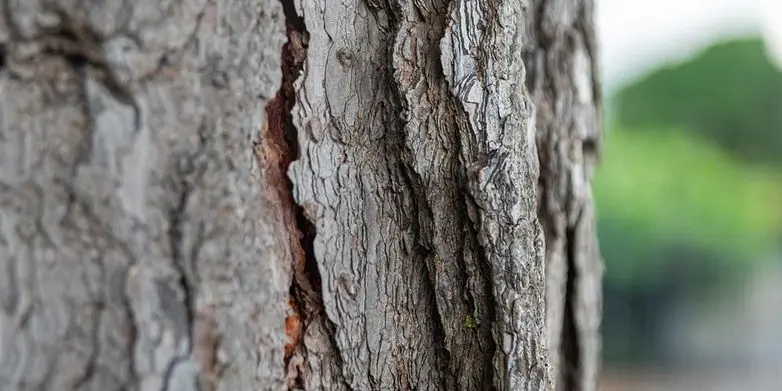
You walk past your favorite oak and notice a long scrape running down its trunk. Maybe a mower clipped it, or a deer rubbed against it overnight. Torn bark and exposed wood can quickly make you wonder whether the tree can recover.
That concern often leads property owners to ask, “Does tree bark grow back?” Zazueta Tree Specialists helps homeowners understand what bark does and how trees respond after injury. This guide explains how bark protects your tree and how professional tree services can help.
Common Types of Bark Damage
Knowing the source of bark damage helps you understand what may have injured your tree. The causes below can help you identify the cause:
- Mechanical damage: Lawn mowers and string trimmers can scrape bark near the base of the trunk.
- Animal damage: Deer rubbing and rodent chewing can strip bark from exposed areas.
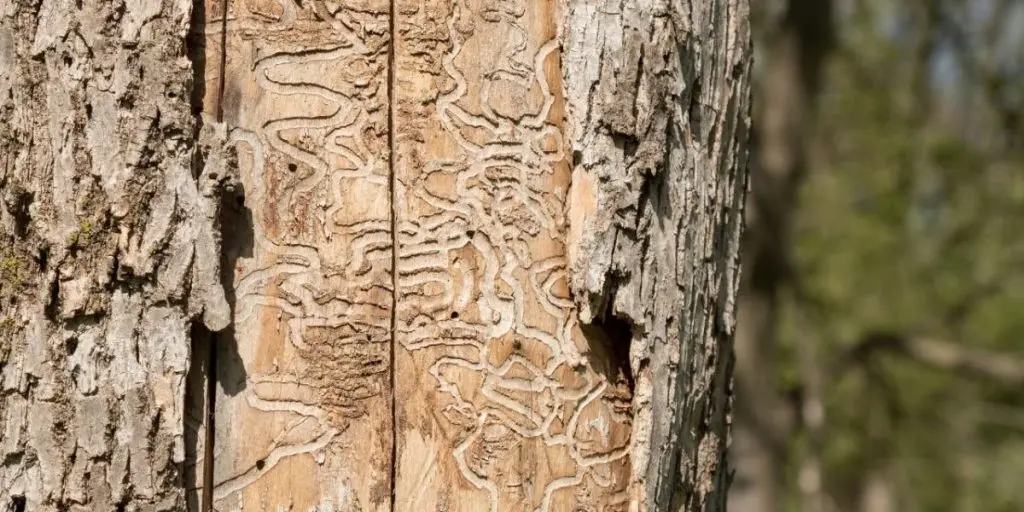
- Insect damage: Boring insects may enter weakened bark and affect the layers beneath.
- Disease damage: Fungal or bacterial problems can weaken bark and cause cracking.
- Weather damage: Frost cracks and sunscald can split bark during harsh seasonal changes.
How Trees Respond After Bark Damage
Tree bark protects the living tissues that help a tree move food and grow. A basic look at tree anatomy helps explain the answer to “Does tree bark grow back?” The sections below show how a tree responds after its bark is damaged.
Isolation
The tree first isolates the wounded area from nearby healthy tissue. This response helps limit infection before the damage spreads deeper into the trunk.
Callus Formation
The tree begins forming callus tissue around the wound’s outer edges. This new growth forms near the wound edges and helps protect the exposed inner layers.
Compartmentalization
The tree creates chemical and physical barriers around the damaged section. These barriers help slow decay and protect the tree’s healthy parts.
Does Tree Bark Grow Back After an Injury?
The answer depends on how much of the trunk was injured. Trees do not repair bark the way human skin repairs itself. Instead, they close off the wound and grow around the damaged area.
Lost outer bark usually does not return in the same form. Since this layer acts as a protective covering, the trunk may show a scar after injury. The living layers beneath the bark may still respond if the wound is limited. When the cambium remains healthy, it can produce new growth near the wound edges. Over time, this helps the tree protect the exposed area.
Factors That Affect Bark Damage Recovery
Many homeowners ask, “Does tree bark grow back?” because recovery depends on more than the wound itself. The points below explain what affects recovery after bark damage:
- Damage size: Smaller wounds are easier for the tree to seal over time. Damage around a wide section of the trunk can disrupt food movement.
- Tree type: Some tree species handle bark wounds better than others. Their natural defense response may slow the decay before it spreads.
- Overall tree condition: A healthy tree usually has more stored energy to respond after injury. Weak or stressed trees may recover more slowly.
- Season of injury: Damage during active growth may close more steadily, while wounds during dormancy may take longer to show visible improvement.
- Site conditions: Steady moisture and healthy soil can support the tree’s repair process. Poor growing conditions may increase stress around the wound.
How To Help a Tree Recover From Bark Damage
Tree wraps or fencing can help reduce future trunk damage. The following steps can reduce stress and support the tree’s natural sealing process:
- Remove loose bark: Use a sharp, sanitized knife to remove torn bark without enlarging the wound.
- Skip the wound paint: Modern arboriculture has shown that sealants trap moisture and slow closure.
- Water and mulch the base: Steady moisture and a fresh layer of mulch reduce stress on the tree.
- Install physical guards: Tree wraps or fencing offer reliable trunk protection to help ensure long-term health.
Trust Zazueta Tree Specialists With Your Tree Care Needs
You now have a clearer answer to “Does tree bark grow back?” Recognizing the difference between a surface scrape and a structural concern puts you in a stronger position to protect your landscape.
Our team handles everything from wound assessments to evaluating a dead tree leaning over your home. We are certified arborists who offer corrective pruning and customized care plans tailored to your property’s unique conditions. For professional help with damaged bark or other tree concerns, call Zazueta Tree Specialists today at (408) 603-3577.