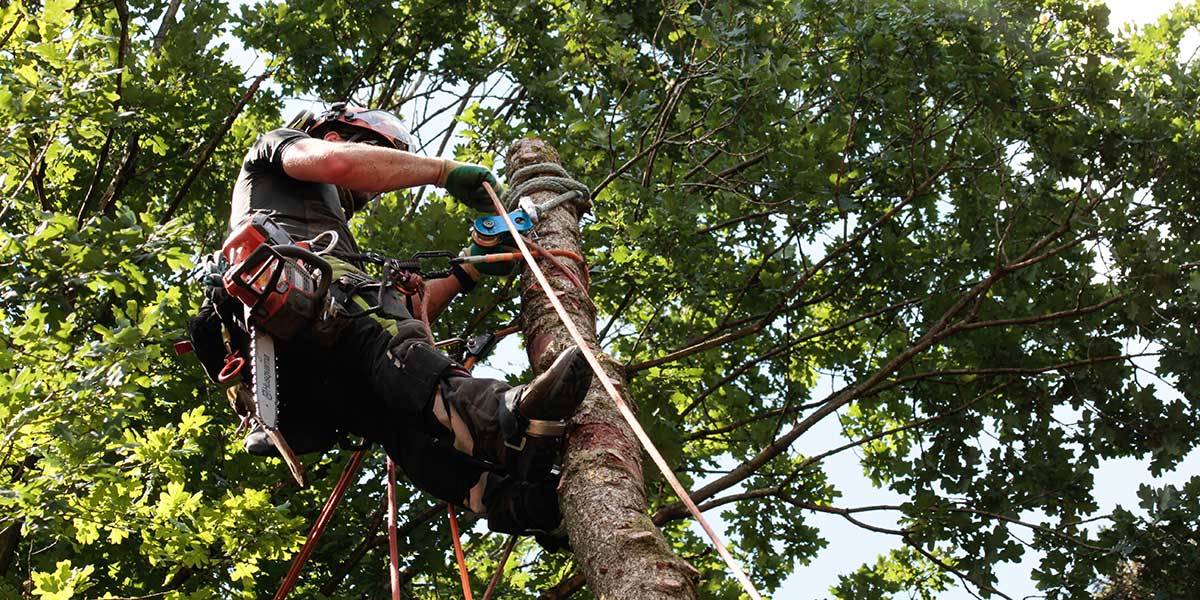
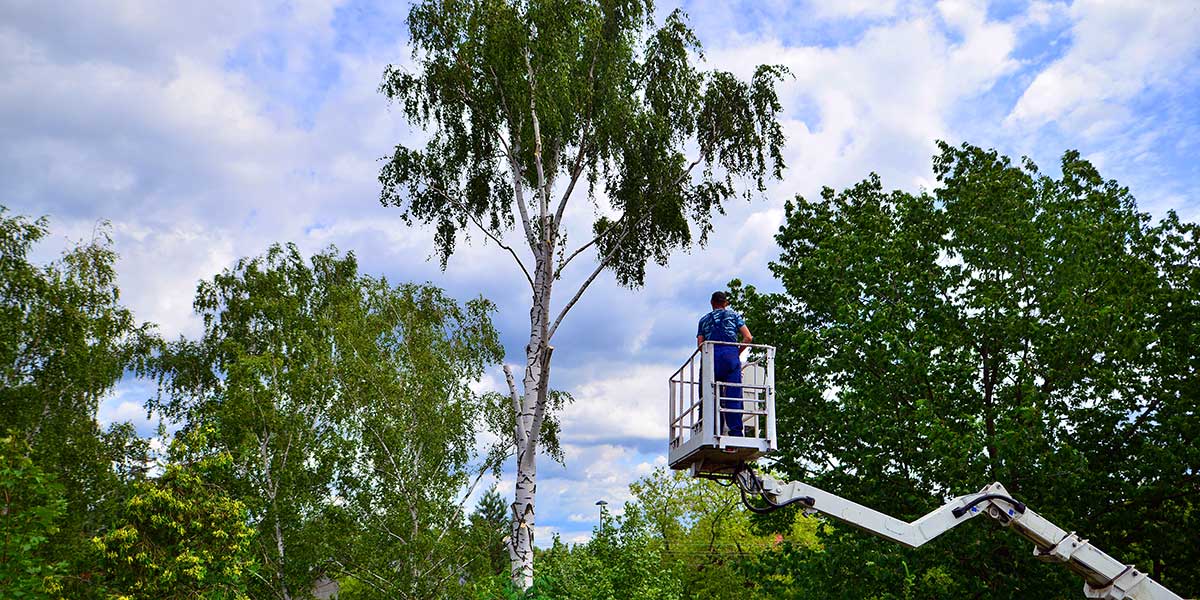
Trees add tremendous value to any property by offering aesthetic beauty, environmental benefits, and even increasing property value. However, trees don’t live forever, and they can become hazardous over time due to disease, damage, or simply age. Knowing when it’s time to call tree specialists for an evaluation can help you avoid bigger problems, like property damage or personal injury, in the future.
Recognizing Early Warning Signs to Prevent Future Hazards
While some trees make it obvious when their time is up, others may only show subtle warning signs that only a professional would recognize. Removing a tree at the right time can prevent property damage, personal injury, and larger issues down the road. So, what are the key signs to look for when deciding whether a tree needs to be removed? Consulting tree care services early can ensure you stay ahead of any potential risks.
Dead or Dying Branches
A common sign that a tree may need to be removed is the presence of dead or dying branches. Deadwood is often easy to spot: branches may lose their leaves, become brittle, and snap easily in high winds or during storms. The tree may also develop cracks where branches join the trunk, a sign that the tree is no longer structurally sound.
If more than half of the tree’s branches are dead, it’s often a clear indication that the tree itself is struggling to survive. When this happens, the entire tree could collapse under its own weight or during a storm. Removing the tree becomes a matter of safety, preventing potentially catastrophic property damage or personal injury.
Leaning or Unstable Trees
Not all trees grow straight, and a slight lean may be natural for certain trees, especially if they’ve grown in windy conditions. However, when a tree begins to lean dramatically or suddenly, it’s a serious concern. A tree leaning due to root damage, poor soil conditions, or a storm can be highly unstable.
One way to determine if the tree is in trouble is by looking at the ground around its base. If you notice that the roots have started to lift or crack through the soil, or if there’s been soil movement, the tree’s support system may be compromised. Trees with unstable roots are more likely to fall during strong winds or rain, especially if the soil becomes saturated. If the tree is leaning toward your house, power lines, or a heavily trafficked area, removing it becomes urgent.
Signs of Disease or Pest Infestation
A sick tree is often a tree in decline. Tree diseases come in many forms, including fungal infections, root rot, and canker diseases. While some diseases can be treated, others lead to irreparable damage that compromises the tree’s health and stability. Common signs of disease include discolored or misshapen leaves, lesions on the bark, fungal growth on the trunk, or areas of the tree that are wilting or drying out prematurely.
Pest infestations are another serious issue. Insects like borers, carpenter ants, or termites can cause significant internal damage to trees. Small holes in the bark, sawdust-like material around the base, or unusual bird activity may indicate that insects are eating away at the tree’s insides. Even if the tree looks fine on the outside, internal decay caused by pests can make it weak and unstable. If the infestation is severe, removal may be the only option to prevent the spread of pests to other trees or your home.
Root Damage
The roots are the lifeline of any tree, anchoring it to the ground and supplying it with the nutrients it needs to thrive. Root damage is particularly dangerous because it often goes unnoticed until the tree shows signs of decline. Roots can be damaged by nearby construction, soil compaction, or underground pests. When roots are injured, the tree may no longer be able to support itself, leading to instability.
One sign of root damage is if the tree starts dropping its leaves prematurely or if the leaves appear smaller than normal. You may also notice that the tree’s canopy is thinning, and it may start to lean. A tree with severely damaged roots is at high risk of falling, and removal is often the safest choice.
Trunk Cracks or Hollow Spots
The trunk of the tree acts as its spine, carrying nutrients from the roots to the branches and leaves. Damage to the trunk, such as large cracks, cavities, or hollows, is a serious red flag. These issues may be caused by internal decay or external factors such as heavy storms, lightning strikes, or pest infestations.
A tree trunk that sounds hollow when tapped or has large areas of missing bark is often a sign that the tree is internally decayed. These structural weaknesses make the tree more prone to falling, especially if it’s a large tree. Trees with extensive trunk damage are often beyond saving, and removal is necessary to prevent accidents.
Proximity to Power Lines or Structures
While not a health issue for the tree, its proximity to buildings, power lines, or other structures can make it a hazard. Trees growing too close to power lines pose a fire risk, especially during dry seasons or high winds. Over time, tree branches can grow into power lines, disrupting electricity and requiring constant pruning to avoid danger.
In some cases, trees planted near homes or buildings can cause foundational damage. As roots grow and expand, they can shift soil and concrete, leading to cracks in driveways or building foundations. If the tree’s proximity to your home or other structures becomes too problematic, removal might be necessary to prevent long-term damage.
Storm Damage
Severe weather can cause significant damage to trees. Strong winds, lightning, or heavy snow and ice can cause branches to break, trunks to split, or roots to become unstable. Even if the tree survives the storm, it may be left vulnerable to future damage due to weakened limbs or compromised root systems.
If a tree has sustained significant storm damage, an arborist should evaluate whether it can be salvaged. If the damage is too extensive, the safest option is often to remove the tree before it falls unexpectedly.
Environmental or Invasive Species Issues
Certain tree species may outgrow their environment, crowding out other plants or trees. Invasive species, in particular, can spread quickly and disrupt the balance of the local ecosystem. These trees may compete with native plants for sunlight, water, and nutrients. In some cases, removing an invasive species is necessary to protect the health of your garden or surrounding environment.
Is It Time to Remove Your Tree?
If you’re unsure about the condition of your tree or concerned about potential risks, don’t wait. Contact a certified arborist in San Jose to assess the health of your tree and help you determine the best course of action!