A quick glance at the canopy can tell you whether a tree is fully healthy or starting to decay. However, any changes in the trunk and canopy usually stem from the underground roots. Once the roots begin to deteriorate, the rest of the tree will follow suit.
That’s why you must be able to recognize the signs of root rot and take action. Learn more about this common tree disease below, including its symptoms and ways to prevent it.
How Professional Tree Services in San Jose, CA, Prevent Root Rot and Other Diseases
Some people only contact professional arborists when their trees pose safety risks or have died. While you can certainly rely on arborists to remove dead or hazardous trees, consider booking a preventive tree service in San Jose, CA. Experts have tips and tricks for preventing common tree diseases and fungal infections, including root rot.
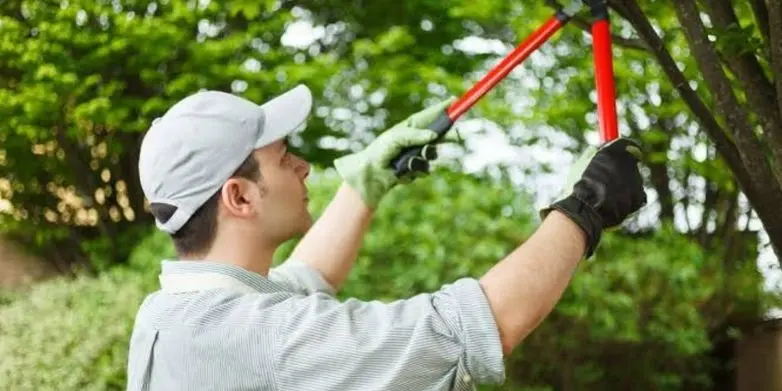
By pruning diseased or dead branches, arborists prevent the decay from spreading. If they determine the tree’s poor health is due to a disease or pest infestation, they can recommend safe and effective treatments to eradicate the problem.
Reach out to trusted arborists for a tree health assessment and maintenance services like fertilization, trimming, and more.
Signs a Tree Is Decaying From Root Rot
Since the root system is underground, you won’t see it actively decaying. However, there are plenty of visible signs of root rot from the trunk to the canopy. They include:
- Canopy thinning
- Dead branches
- Yellowing leaves
- Wilting foliage
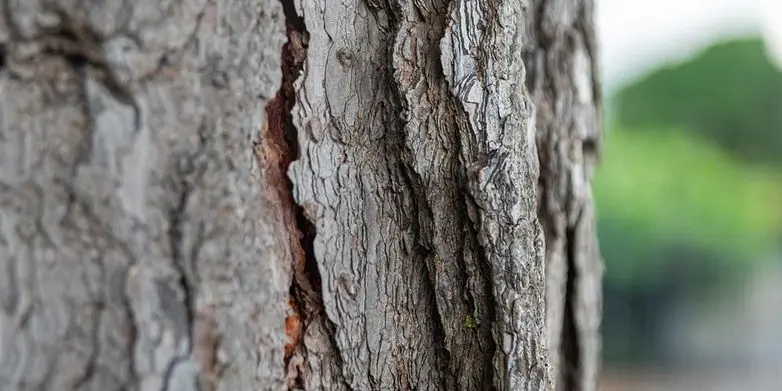
- Canker formation on the trunk
- Mushroom growth
Various environmental factors can lead to these symptoms. For example, drought may cause the leaves to turn yellow and wilt. However, if you notice the foliage wilting despite watering, it may be time to contact an expert for a formal diagnosis.
Dead branches could be due to anything from pest infestations to nutrient deficiencies. While one dead branch may not mean the root system is rotting, widespread decay mixed with other symptoms typically indicates root rot. Always let a licensed arborist assess the tree’s health, diagnose the problem, and guide you through the next steps.
How Arborists Diagnose and Treat Root Rot
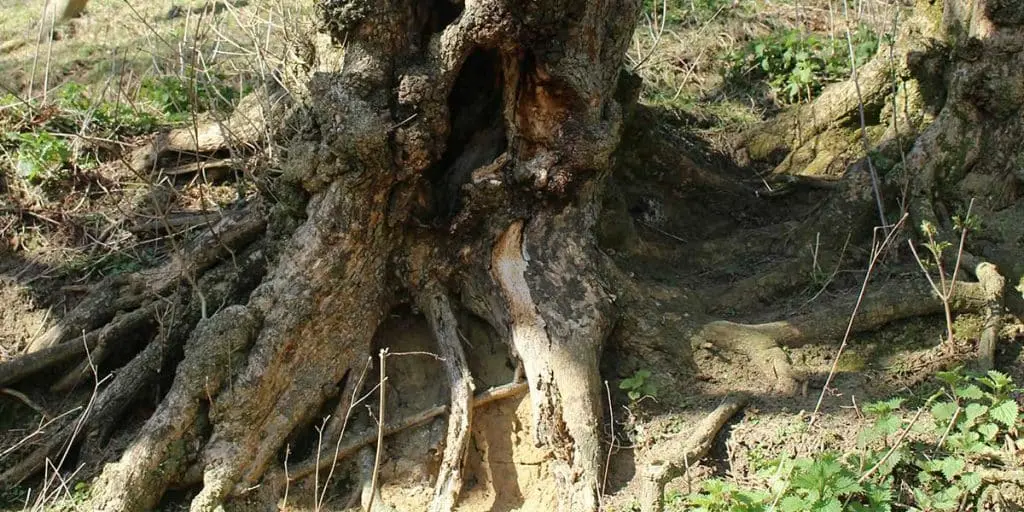
Don’t ignore the signs of root rot. Left untreated, the root system will continue to decay. Eventually, it may not be able to support the trunk, putting the tree at risk of falling over.
Contact a professional to inspect the vegetation. To diagnose root rot, they’ll dig around the base of the tree to expose black or brown roots. Uncovering mushy roots and a foul smell from the soil confirms the disease.
Arborists may cut small, infected roots to prevent the decay from spreading. Applying fungicides could also help keep the problem under control. Depending on the extent of the damage, saving the tree is not always possible.
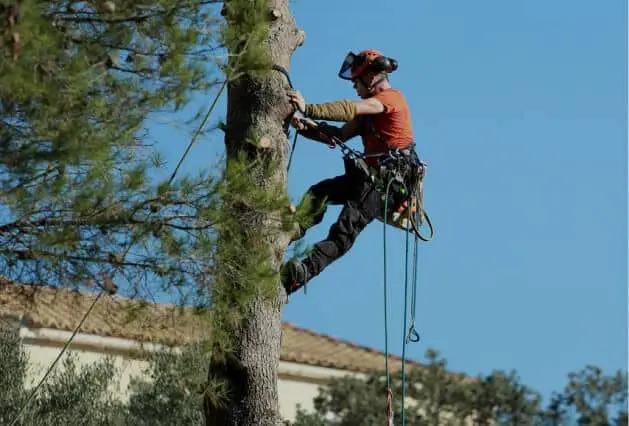
A severely compromised root system is one of the most significant tree removal warning signs. When removal is the safest option, experts will make a plan for cutting down the tree, such as removing it in sections with a crane. To prevent pests from infiltrating the area, crews also recommend grinding the stump after tree removal.
Can You Prevent Root Rot?
If you’re hoping to avoid discolored foliage, branch dieback, and other signs of root rot, it’s important to understand what causes it. More often than not, oversaturated soil is the culprit behind a rotting root system. This may be due to poor drainage, overwatering, or a combination of the two.
Prevent problems by sticking to a recommended watering schedule and aerating the soil as needed.
Some rot-inducing fungi may also exist within the soil and could start attacking your vegetation in soggy conditions. Consider testing the soil before you plant new trees to uncover any possible fungus or nutrient imbalances. Professionals can apply a custom fertilizer to address these issues in advance.
Preserve Your Landscape With Help From Our Arborists
It’s not enough to just recognize the signs of root rot. Be proactive when you notice your trees’ health decline. Reach out to Zazueta Tree Specialists for personalized solutions.
Depending on the extent of the damage, we may be able to nurse the tree back to health. If the decay is irreparable, we can safely remove the tree. Our experts can also prevent a new tree from growing from the stump by grinding it down to the roots.
No matter what issues impact your vegetation, we’re here to help. Call (408) 627-4661 to book a service today.