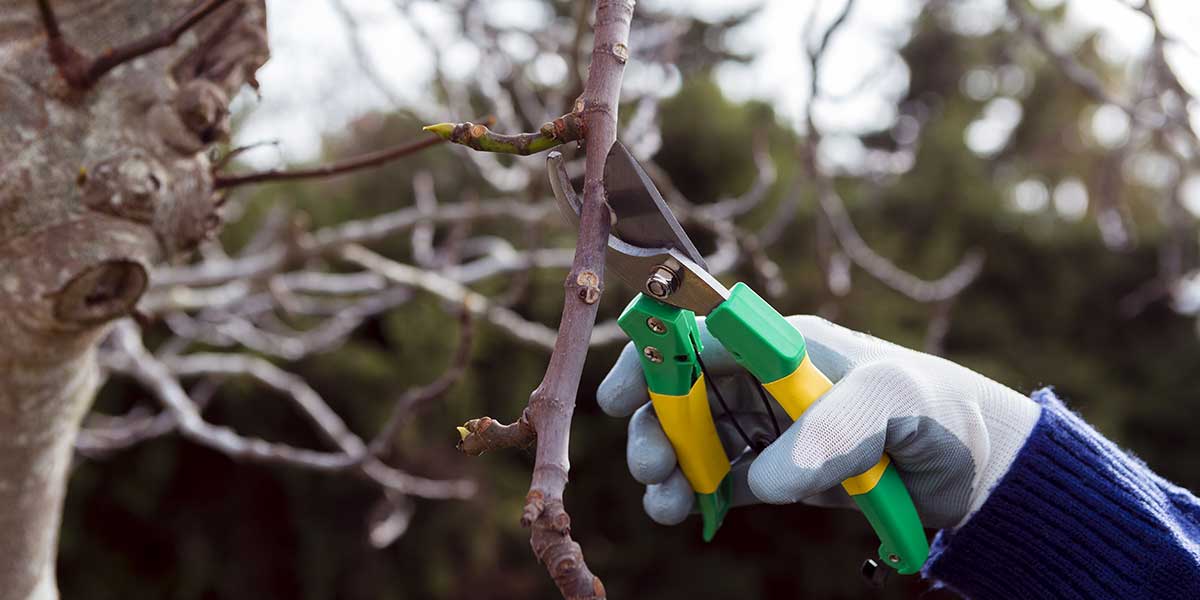
When it comes to tree removal in Palo Alto, many people might think the focus is solely on clearing space or tidying up yards. However, there’s a crucial layer to this process that often gets overlooked: the impact on local wildlife. From birds nesting high in branches to squirrels darting through leaves, every tree serves as a vital home for various creatures. It’s not just about getting rid of trees; it’s about balancing our needs with the needs of the ecosystem around us. In this article, we’ll explore essential guidelines and practices to ensure that tree removal projects honor and protect the wildlife that calls these trees home. Understanding these steps can turn a routine job into an opportunity for conservation and respect for nature.
Wildlife-Friendly Tree Removal Practices
Wildlife-friendly tree removal practices are more than just common courtesy; they exemplify a commitment to preserving our ecosystem. When undertaking tree removal, it is vital to recognize the potential habitats that have developed over time. Trees may host various species of birds, squirrels, insects, and other wildlife, all of which depend on these environments for survival. To ensure their safety during the removal process, several strategies can be implemented. One effective way to protect resident wildlife is by avoiding tree removal during their nesting seasons, particularly in spring and early summer. During these times, many bird species nurture their hatchlings within the safety of trees, making it critical to delay removal until after this period. It’s essential to plan ahead so that necessary services can align with these seasonal changes. A pre-removal wildlife survey acts as another proactive measure to safeguard animal inhabitants. Before proceeding with a job, a trained professional can conduct a thorough inspection of the tree and surrounding area to identify any active nests or signs of habitation. This step can reveal hidden nests that might otherwise go unnoticed until it’s too late. If nests are detected, this could be an opportunity to rethink your project timeline. Rescheduling or relocating the tree removal is an ethical choice that prioritizes the well-being of local fauna and upholds environmental responsibility.
Gradual Tree Dismantling
The practice of gradual tree dismantling involves methodically taking down the tree in controllable sections rather than removing it all at once. By starting from the top and working your way downwards, you’re allowing smaller animals who might reside high within the branches a chance to escape ahead of time. This minimizes stress on any potentially vulnerable wildlife and enhances overall safety for personnel involved.
As you cut through each segment, take a moment to carefully inspect for any signs of life before moving further along in the process. Should you discover any animals or signs indicative of their presence—such as nests or droppings—it’s wise to pause your work immediately. At this juncture, contacting local wildlife rescue organizations becomes necessary. They are equipped with knowledge and resources to properly handle various animals and will assist in either rehoming them or ensuring their safety until you can continue without harming them. Incorporating these wildlife-friendly practices into your tree removal process underscores a commitment to responsible service while fostering respect for nature’s inhabitants living alongside us.
Palo Alto’s Wildlife Protection Rules
In Palo Alto, safeguarding wildlife isn’t just an afterthought—it’s a fundamental requirement embedded within the guidelines for tree removal. These rules are designed to protect both the unique ecosystem and local animal species that depend on trees for their habitat.
The municipality places a strong emphasis on conducting comprehensive habitat assessments before any tree removal can occur. As part of this process, wildlife experts are mandated to inspect the area meticulously, looking for nesting birds, squirrels, and other creatures that may be affected by the changes. For those planning a tree removal project, understanding these ordinances is critical. The laws clearly state that if a mature or heritage tree is to be removed, you must first secure a permit. However, obtaining this permit isn’t merely about filling out forms and paying a fee. The application requires detailed documentation explaining how you will mitigate impacts on the local wildlife population. Furthermore, these permit applications often require collaboration with certified arborists or environmental consultants—professionals who can identify potential wildlife habitats that might exist in the tree canopy or nearby foliage.
These trained specialists can help ascertain how many species could be affected and suggest measures to protect them effectively during the removal process. One common recommendation from these experts is timing—ensuring that tree removal occurs outside nesting seasons for local birds, which typically spans from late winter through early summer. By being mindful of these timelines, homeowners and contractors alike can prevent unnecessary disruption to local fauna while still addressing their landscaping needs.
Understanding and following these wildlife protection rules is essential for maintaining the delicate balance between human activities and natural habitats in Palo Alto. Taking these necessary precautions ensure that our actions today do not come at the cost of tomorrow’s biodiversity.
Effective Collaboration with Experts
Collaborating effectively with wildlife biologists and certified arborists is no longer just a precautionary measure; it’s an essential part of responsible tree removal. These partnerships ensure that we don’t just cut down trees without considering the implications for the fauna living within and around them.
For instance, when planning to remove a tree, it’s vital to engage experts early in the process. Not only do they have specialized knowledge about which species are likely to inhabit your trees, but they also bring valuable insights into the best times of year for removal, minimizing disturbances to wildlife during sensitive periods such as breeding or migration seasons. The first step in effective collaboration is identification. When a tree is deemed for removal, reaching out to a wildlife biologist can help pinpoint potential inhabitants—like nesting birds or roosting bats. These experts are trained to assess the situation accurately and ensure that any animal presence is acknowledged before work begins. By doing this upfront research, you can prevent unnecessary harm to these creatures and enhance your reputation as a responsible property owner.
After identification comes a crucial aspect of collaboration: relocation. When animals are discovered within a tree scheduled for removal, experts can assist in safely relocating nests or dens to suitable alternative habitats nearby. This proactive approach ensures that wildlife is given a chance to thrive rather than simply being displaced. It’s important to note that these relocations should be planned with great care, timing them just right so as not to disrupt the lifecycle of the animals involved. By weaving together expert guidance with well-structured relocation plans, we can create pathways for urban development while honoring our commitment to conserving local wildlife.
Continuous Communication
Maintaining open lines of communication among all involved parties is key throughout the entire process. Regular updates to both the tree service crew and wildlife experts guarantee that everyone stays in sync. When unexpected situations arise—be it discovering more than anticipated or encountering resistant animals—having a collaborative framework allows teams to react quickly and effectively, keeping both workers safe and ensuring minimal disruptions for wildlife.
It’s also advisable to establish clear protocols ahead of time on how to handle various scenarios that may come up during removal operations—for example, what steps should be taken if an unanticipated nest is found? Creating this roadmap in advance improves responsiveness and reduces stress for everyone involved.
At Zazueta Tree Specialists, we recognize the significance of effective collaboration, not only between teams but also with wildlife experts who possess extensive knowledge of our ecosystem. Our team is dedicated to meeting environmental regulations while providing professional tree services across our Bay Area communities. Whether it’s coordinating with certified professionals or facilitating safe relocation practices, our goal remains steadfast: promoting harmony between urban development and local wildlife preservation. Continuing from these collaborative efforts, we’ll now focus on practices that ensure the safe handling of any animals affected by tree removal activities in our urban spaces.
Safe Removal Techniques for Animals
During tree removal, employing safe techniques is not just a best practice—it’s essential for preserving wildlife. One of the most effective methods involves using humane wildlife exclusion devices, such as one-way doors. These contraptions allow animals to exit their homes without the risk of re-entry, providing them the freedom to escape without danger. When you employ these devices, it’s important to avoid setting them up right before tree removal. Instead, offer animals ample time to vacate. Generally speaking, keeping the devices in place for several days to a week will give smaller mammals an adequate chance to find their way out. Such an arrangement not only provides peace of mind but also ensures that the animal can relocate safely.
Small Mammals
Take the case of bats and squirrels—both are common inhabitants of trees and often remain hidden within their hollows. To make sure they are safe during this process, consider setting up temporary shelters nearby. These structures should closely resemble their natural habitats; simple wooden boxes or hollow logs can serve as an excellent makeshift home.
Creating these shelters not only helps animals find safety but also maintains biodiversity in your area. By reintroducing them into an environment where they feel secure, you’re aiding their survival chances while being considerate during tree removal.
Birds
Birds can present unique challenges during tree removal due to their nesting habits. To encourage these avian residents to vacate their homes prior to tree work, implementing visual and auditory deterrents can be incredibly effective. Brightly colored banners or reflective objects hung around the work area often create a sense of unease for birds looking for a safe perch. Additionally, playing audio of predators can help in deterring birds from nesting too close. It’s critical to deploy these methods a few days before initiating any work, as their use gives birds time to seek alternative accommodations away from their workplace without distress. By adopting these humane techniques and investing time in preparing the spaces around your job site, you contribute significantly to wildlife protection while also promoting a smoother tree removal process. Understanding how different species interact with their environments is crucial for ensuring minimal disruption during the entire project.
Minimizing Impact on Local Habitats
Local habitats are not merely a collection of plants and animals; they form an intricate web of life that supports ecological health. Such an arrangement necessitates a meticulous approach to tree removal. One effective strategy is to use lightweight machinery that reduces soil compaction, thereby preserving the essential structure of the earth where countless organisms reside. By focusing on maintaining the understory vegetation, which includes diverse plant species that serve as food and shelter for local wildlife, we can significantly reduce the disturbance caused by tree services.
Buffer Zones
One way to protect these vital areas is by establishing buffer zones. These zones act as protective barriers around significant habitats, ensuring they remain undisturbed throughout the removal process. For instance, by leaving a buffer of at least 15 feet around nesting sites or patches of native greenery, you’re not just protecting those specific plants and animals but also supporting the broader ecosystem that relies on their existence. It’s not just about protection; taking proactive steps helps restore balance too.
Erosion Control
Implementing erosion control measures during and after tree removal can further minimize habitat disruption. Utilizing materials like mulch or erosion-control blankets stabilizes the soil and prevents it from being washed away. However, another equally important action involves replanting native species immediately following the removal. This step not only helps restore the habitat but also encourages native wildlife to return, fostering a more sustainable environment in the long run. Speaking of returning to a natural equilibrium, let’s talk about how we deal with the debris left behind during tree removal.
Waste Management
Practicing mindful waste management is vital for supporting local ecosystems after tree removal. Careful handling of debris can make a significant difference; for example, leaving some fallen branches and logs on-site instead of clearing them all away creates essential resources for insects and decomposers. These organisms play pivotal roles in nutrient cycling and soil health, contributing to the overall robustness of the habitat. Often, what may seem like clutter to us actually serves as crucial support for various forms of wildlife. By applying these practices—buffer zones, erosion control methods, and sensible waste management—we can significantly enhance our commitment to safeguarding local ecosystems during tree removal processes.
Why Choose Zazueta Tree Specialists?
When it comes to tree removal, trust matters. Whether you’re dealing with a hazardous tree, storm-damaged limbs, or a tree that’s simply outgrown its space, you need professionals who can handle the job safely and efficiently. Zazueta Tree Specialists is the go-to expert for tree removal services, providing skilled, reliable, and affordable solutions to homeowners and businesses alive. With years of experience in the industry, Zazueta Tree Specialists have developed a reputation for excellence. Our team understands the complexities of tree removal. From evaluating tree health to determining the safest removal approach, we prioritize both precision and safety. Contact us to schedule a consultation today!